
The Risby
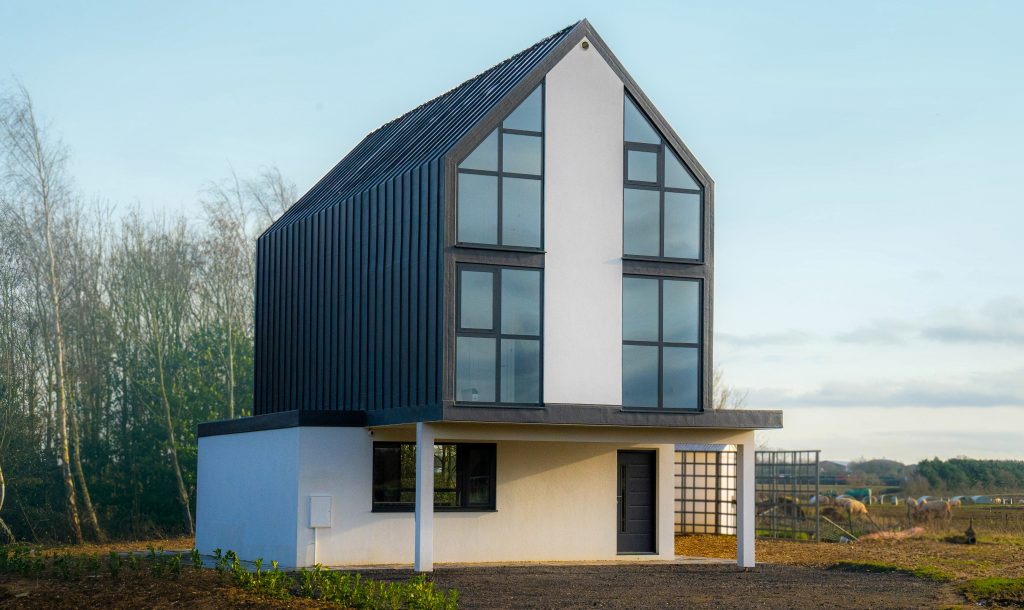
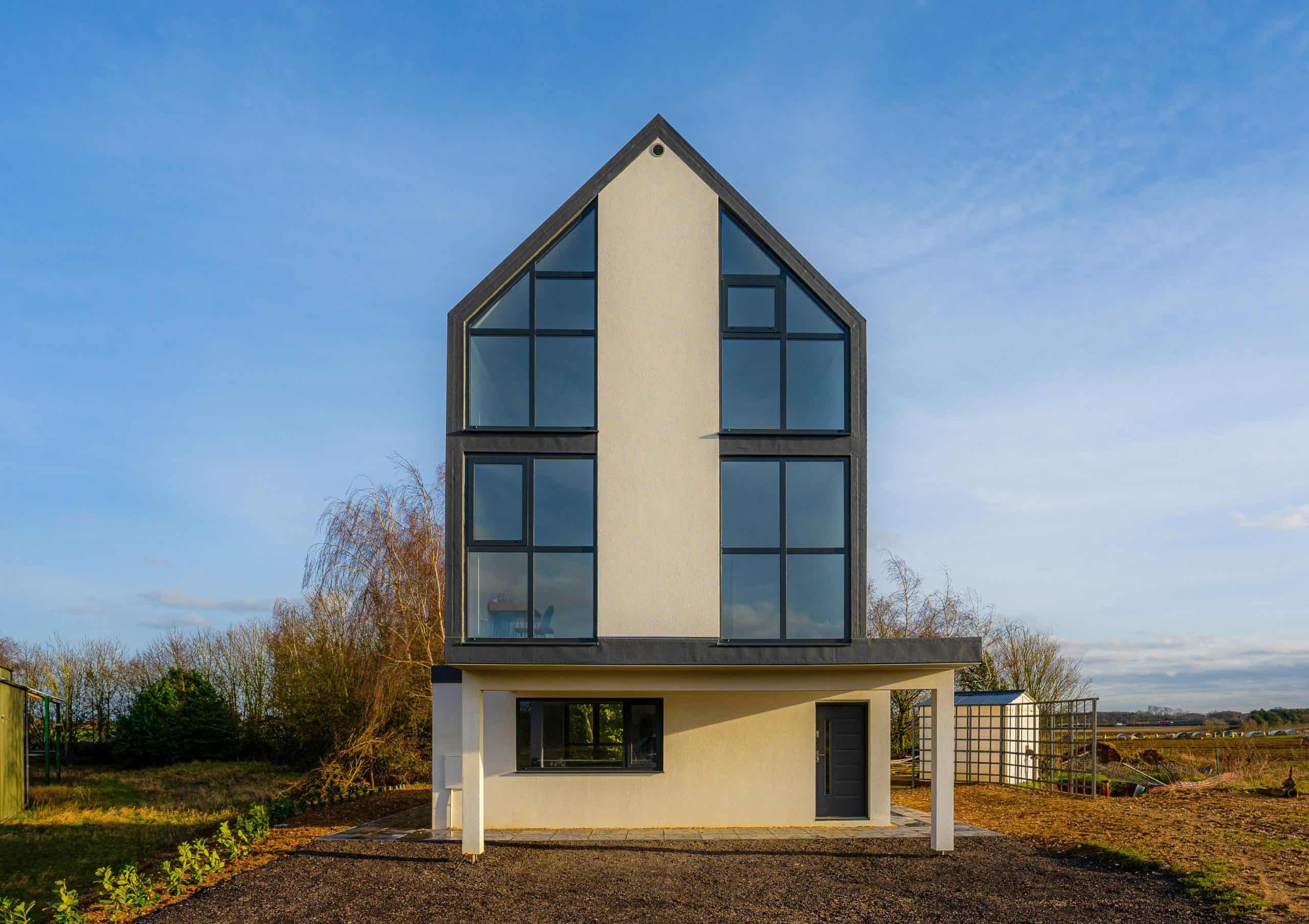
An energy positive home generating three times more energy than it uses, built using modern methods of construction.
Highlights
- Under average load and climactic conditions,Ìý4,000 kW h per annum is all that t³ó±ðÌýRisbyÌýneeds for internal and external lighting, spaceÌýheating and domestic hot water.Ìý
- U–values for floor, walls, roof, windows andÌýdoors far exceed the Concurrent NotionalÌýDwelling Specification and Limiting FabricÌýParameters, specified in Building RegulationsÌýapproved document L1A.ÌýThe values expressed in in W/(m2K) are asÌýfollows: floor 0.12, walls 0.14, roof 0.12, windowsÌý1.00 and doors 0.9.ÌýÌý
- With air permeability of 2Ìým3/(hm2) at 50 Pa and 10,000 kW h per annumÌýof renewable energy generation fromÌýintegrated solar tiles, the overall Target CO2ÌýEmissions Rate is easily surpassed.Ìý
- The integrated meters and smart home technology measure the on–going operational performance of the building in real time reporting back to the EPA.Ìý
- Over the next 12 months,ÌýGrid2.0Ìýwill commission an independent report to verify the embedded carbonÌýcredentials of the building.ÌýThis will include a Lifecycle Assessment.Ìý
Approaches Used
- RisbyÌýis manufacturedÌýoff–site, adoptingÌýmodern methods of construction. It is madeÌýprimarily from engineered timber, which is durable, sustainable,Ìýstructurally reliable and dimensionally stable.ÌýÌý
- Grid2.0’sÌýconstruction methodology embraces a “pods and panelsâ€� approach where MEP isÌýfactory installed into three-dimensional pods and two-dimensional panelsÌýwhichÌýmake upÌýthe internal and external wall, floor and roof elements.Ìý
- The construction palette consists of large format CLT and OSB panels (up to 18Ìýmetres in length), engineered joists, closed cell rigid polyurethane and aluminium doors and windows.Ìý
- The 2D/3D approach to construction provides the foundation for scalable production, which is the stated goal of Grid2.0.
Lessons Learnt
T³ó±ðÌýRisbyÌýwas built as a prototype, specifically to test and learn lessons from the construction process required to build a new home of this standard, with all t³ó±ðÌýassociated process risks inherent with off-site construction. Ultimately, the key lesson was to establish the cost of building to this specification.ÌýÌýÌý
ÌýIn summary, we found that:Ìý
- The pods and panels – or 2D/3D building model – can substantially improve t³ó±ðÌýspeedÌýand cost of new buildings.ÌýÌý
- BIM led design is an important pre–cursor to a smooth construction process.Ìý
- BIM literate production teams enjoy the process and complete tasks quickly.Ìý
- The net cost of the building is lower than a traditionally built alternative – in all departments: design, labour, materials and overheads.ÌýÌý
Related


80 Charlotte Street
Mixed-use, all-electric, scheme striving for reduced embodied and operational carbon.


Dorset House
An energy positive house in Dorset that has been built to Passivhaus standards and recycles rainwater on-site.

