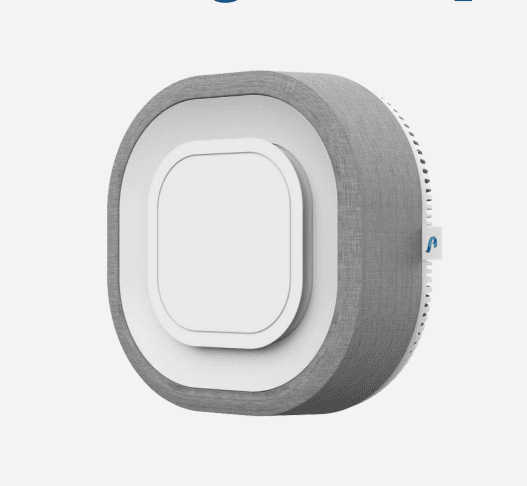
Fabric that improves indoor air quality
Problem Addressed
Many peopleÌýsuffer fromÌýpoorÌýindoor airÌýquality (IAQ)ÌýleadingÌýtoÌýhealth problemsÌýfor the individualÌýand high costs (sick leave, medicalÌýcosts)ÌýforÌýwiderÌýsociety.ÌýAwareness ofÌýthe importance ofÌýIAQÌýandÌýrelated symptomsÌýis on the rise in the UK,Ìýwhere the incidence of asthma is among the highest in the world.ÌýÌý
ÌýAÌýcommonÌýcause of poor IAQ isÌýthe spread ofÌýchemical and/or biological agents from the buildingÌýitselfÌýinto the indoor air.ÌýThe problemÌýis often, but not always,Ìýdue toÌýbuilding moisture.ÌýHow can we address symptomsÌýof building related illnesses (BRI)Ìýsuch as asthma, skin and eye irritation, fatigue, concentration difficulties?
Case Study
Example case studies:ÌýÌý
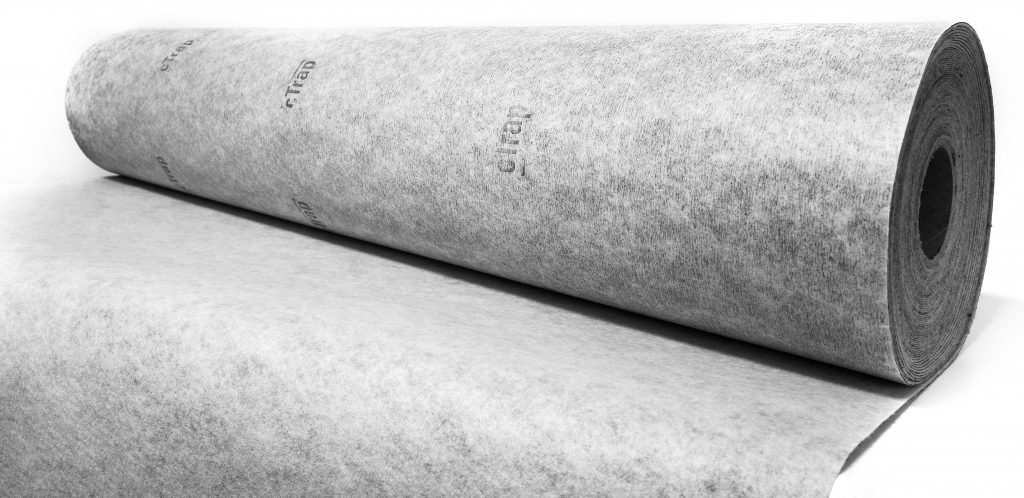
- AÌýwooden houseÌýwith a “summer cottageâ€� mould-likeÌýsmell indoors. The building had previously been treated with preservativesÌýthat, underÌýmoist conditions,ÌýformÌýhighly odorousÌýchloroanisoles.ÌýThe ceiling, walls and floor in the bedroom, but notÌýliving-room,Ìýwere covered withÌýcTrap.ÌýTetrachlorophenol,Ìýtrichloroanisole, andÌýpentachloroanisoleÌýwere detected in the air of the living-room,Ìýbut onlyÌýtetrachlorophenolÌýwas found in the bedroom,ÌýandÌýin a concentration 93% lower than in the living room.ÌýThe mouldy odour disappearedÌýimmediatelyÌýfollowing theÌýcTrapÌýinstallation.ÌýÌý
- A building where a tar layer had been attached ontoÌýaconcreteÌýslab,ÌýasÌýmoisture barrier. The air concentrations of polycyclic aromatic hydrocarbons (PAH) wereÌý1726 ng/m3. TheÌýdisturbing smell inside the buildingÌýpersisted even after the tar had been removed. TheÌýcTrapÌýcloth was installed on about 75 percent of the wall surface, the smell disappeared,Ìýand theÌýPAHÌýÌýconcentrationÌýdecreased to 139 ng/m3,Ìýa reduction of 92%.Ìý
- AÌýtownhouse where the tenants suffered fromÌýitching and headachesÌýwhen at home. A PVC flooring had been glued ontoÌýtheÌýconcrete slab which had become moist through diffusion of water from the ground. The air concentration of 2-ethylhexanol, a compoundÌýformedÌýbyÌýhydrolysis of glue and/or phthalates, was 63 µg/m3.ÌýcTrapÌýwas attached onto the existing flooring,Ìýthe air concentrations of 2-ethylhexanol decreased toÌý1.5 µg /m3, and the symptoms disappeared.ÌýThe same low valueÌýwas found in a follow-up study 6 yearsÌýlaterÌý– and theÌýtenantsÌýstill reported no symptoms.Ìý
This page presents data, evidence, and solutions that are provided by our partners and members and should therefore not be attributed to UKGBC. While we showcase these solutions for inspiration, to build consensus, and create momentum for climate action, UKGBC does not offer commercial endorsement of individual solutions. If you would like to quote something from this page, or more information, please contact our Communications team at media@ukgbc.org.
Related


Tech to help organisations manage their sustainability goals.


All in one air filtration, disinfection and monitoring